The power of movement: scientifically proven benefits of physical activity in your workday
In the fast-paced world of modern work, the sedentary nature of many jobs has raised concerns about its impact on our health and productivity. As we spend hours hunched over desks, staring at screens, the importance of moving around during the workday becomes increasingly evident. Beyond common sense, scientific research reinforces the critical role of physical activity in our daily routines. In this extended blog post, we’ll delve into the scientifically proven benefits of incorporating movement into your workday and explore how it can revolutionize your overall well-being, productivity, and creativity.
Does physical activity really boost physical health at work?
The detrimental effects of prolonged sitting on physical health have been extensively researched. Studies, such as “Adverse Effects of Prolonged Sitting Behavior on the General Health of Office Workers” (Journal of Lifestyle Medicine, 2017), have linked sedentary behavior to an increased risk of chronic conditions, including obesity, cardiovascular disease, and diabetes. By integrating short bursts of physical activity into your workday, you actively counteract these risks, promoting cardiovascular health, improving blood circulation, and reducing the likelihood of weight-related issues.
How does physical activity enhance mental well-being?
Scientific evidence supports the idea that regular physical activity is a potent tool for mental health. “Regular Physical Activity, Short-Term Exercise, Mental Health, and Well-Being Among University Students” (Frontiers in psychology, 2020) reveals that exercise is associated with a reduction in stress. The release of endorphins during movement acts as a natural mood booster, contributing to stress reduction and an improved overall sense of well-being.
How does physical activity improve posture and ergonomics?
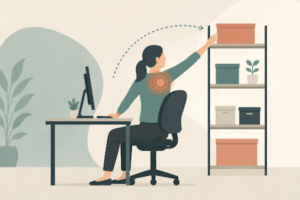
Research in ergonomic science emphasizes the importance of movement in preventing musculoskeletal issues associated with prolonged sitting. “Supplementary breaks and stretching exercises for data entry operators” (American Journal of Industrial Medicine, 2007) suggests that taking breaks for stretching and movement can significantly reduce discomfort and improve productivity, contributing to a healthier and more comfortable work environment.
Warehouse and industrial workers are dealing with manual handling loads, whole-body vibration, overhead reaching, and confined work positions. The ergonomic risk assessment in these environments does not look at chair height. It looks at task redesign, lift heights, mechanical assists, and work-rest cycles. A physical demands analysis often runs alongside to document exactly what a role physically requires.
Vehicle operators spend extended periods seated with vibration running through the body, often combined with awkward entry and exit mechanics and controls that don’t suit their reach. A vehicle ergonomic assessment covers seat position, mirror placement, control reach, and how the driver’s posture holds up under actual operating conditions.
Remote and hybrid workers frequently fall outside injury prevention planning altogether, which is a significant gap. A virtual ergonomic assessment applies the same standard of evaluation to home office setups that would otherwise go unexamined indefinitely.
The environment changes. The core question stays the same: are the physical demands of this work within safe limits for the person doing it?
Conclusion:
Scientific research overwhelmingly supports the notion that movement is not merely a luxury but a necessity for optimal health and productivity. By understanding the evidence-backed benefits of incorporating physical activity into your workday, you can make informed decisions about your daily routine. So, the next time you feel tempted to stay glued to your desk, remember that a scientifically backed break for movement is not just beneficial but imperative for your physical and mental well-being. Embrace the power of movement and witness the positive transformation it brings to your work and life.
At Injury Prevention Plus, we help individuals and organizations take the first step toward a healthier, more active workplace. Whether you’re looking to reduce injury risk, improve comfort, or build a culture of well-being, our expert team is here to help. Book your ergonomic assessment with Injury Prevention Plus today and discover how purposeful movement and ergonomic support can transform your workday.
Frequently Asked Questions
How much physical activity should you get during the workday?
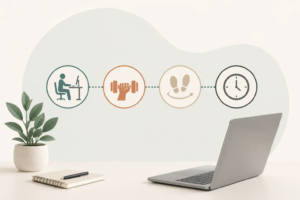
Health experts recommend breaking up sitting time every 30–60 minutes with at least a few minutes of light movement. Even short walks, stretches, or standing breaks make a meaningful difference over the course of a day.
What are simple ways to add physical activity to a desk job?
Standing desks, walking meetings, desk stretches, taking the stairs, and short movement breaks every hour are all effective strategies that require minimal disruption to your workflow.
Does physical activity at work actually improve productivity?
Yes. Multiple peer-reviewed studies show that short movement breaks improve concentration, reduce mental fatigue, and decrease presenteeism meaning employees are more engaged and perform better when they move regularly.
What is the link between physical activity and ergonomics?
Ergonomics and physical activity work together. Proper workstation setup reduces physical strain, while regular movement prevents the stiffness and musculoskeletal issues that even a well-set-up desk cannot fully eliminate.
Can an ergonomic assessment help improve workplace physical activity habits?
Absolutely. An ergonomic assessment identifies sedentary risk factors and provides personalized recommendations for movement, workstation adjustments, and activity routines that fit your specific role and environment.
How does Injury Prevention Plus support workplace physical activity?
Injury Prevention Plus offers ergonomic assessments and workplace wellness programs designed to reduce injury risk and promote healthy movement habits for individuals and teams across a range of industries.
Need help improving ergonomics in your workplace?
Our registered ergonomists are ready to help. Call us at (613) 730-1074 or book a consultation today.