Injury Prevention

Why Ergonomics Is a Key Part of Workplace Injury Prevention

Apr 30

Introduction

The Workplace Safety and Insurance Board (WSIB) plays a vital role in supporting Ontario workers and employers through workplace injury claims, prevention programs, and compensation policies. Over the past decade, WSIB has undergone significant changes especially around the pivotal year of 2020. This post explores how claim trends evolved and highlights the growing financial impact of workplace injuries.

WSIB Claim Trends: Before vs. After 2020

Pre-2020 Stability

Between 2012 and 2019, WSIB injury rates remained relatively stable, averaging around 2.07 injuries per 100 full-time equivalent (FTE) workers. Annual registered claims ranged from 37,000 to over 43,000, with lost-time claims consistently outnumbering no lost-time claims.

2020 Disruption

The onset of the COVID-19 pandemic caused a sharp decline in injury rates, dropping to 1.26 per 100 FTE workers in 2020. This was largely due to lockdowns, remote work, and reduced workplace activity.

Post-2020 Recovery

As workplaces reopened, injury rates began to rise again:2023: Injury rate reached 2.43 per 100 FTE workersHealthcare sector: Saw a notable increase in claims, including mental stress and COVID-related injuries

Rising Cost of Injury vs. Ergonomic Investment

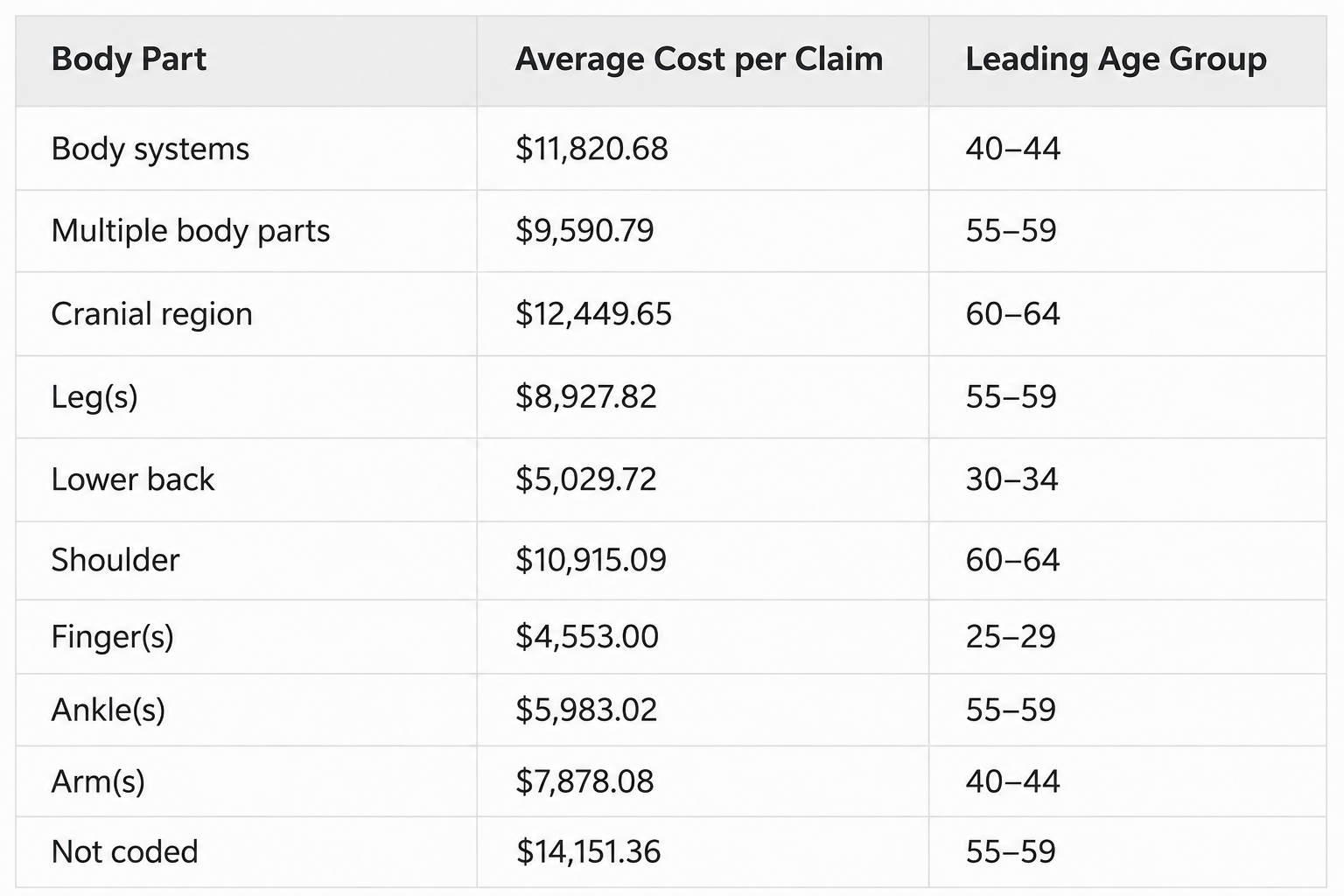
WSIB data shows that the average cost of a workplace injury claim has steadily increased, reaching approximately $9,129 per claim in 2024. In contrast, the conservative cost of implementing proactive office ergonomic recommendations is around $2,500. 

*information in chart can be found on safetycheck.onlineserices.wsib.on.ca

Make it stand out

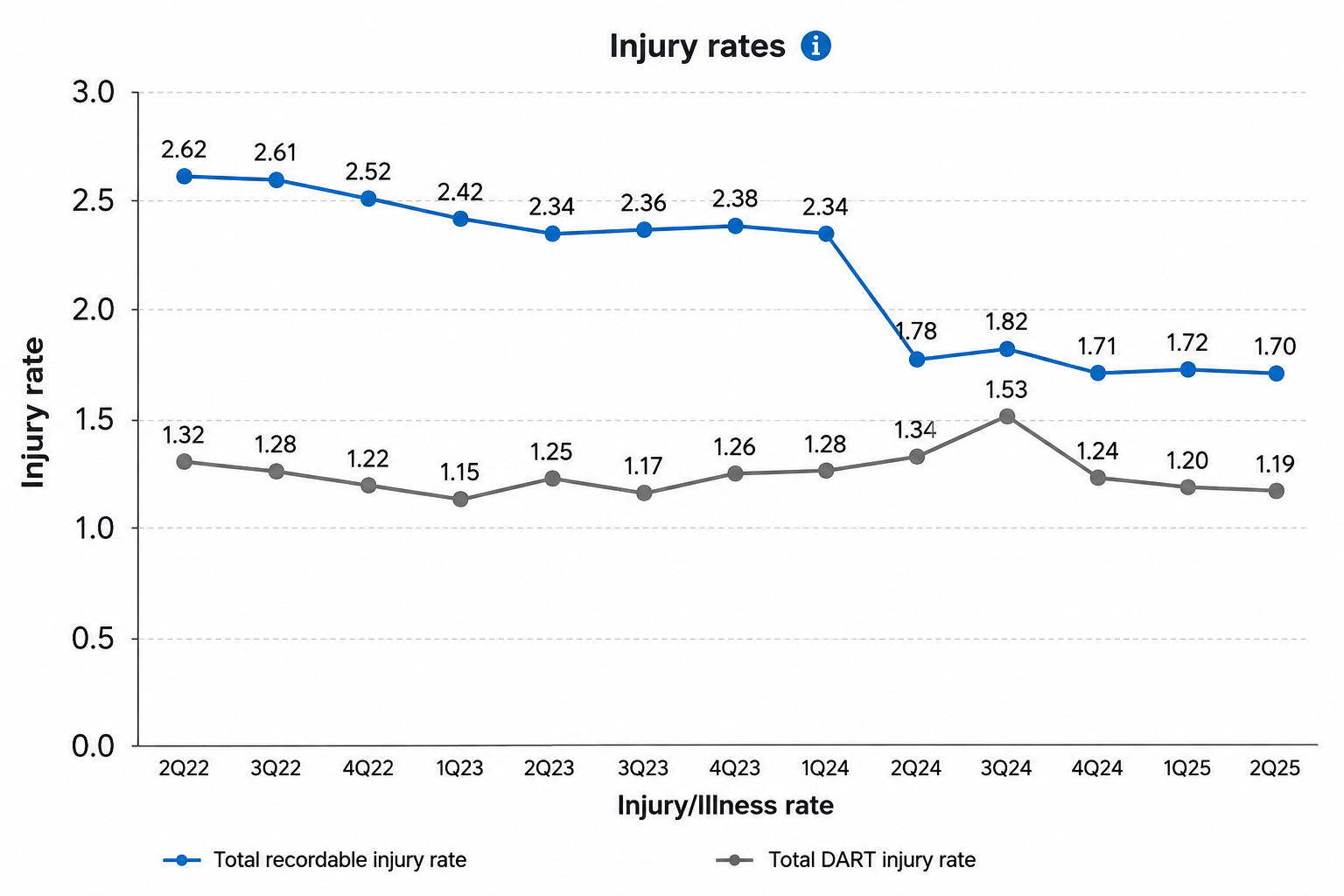
WSIB data shows that no lost-time injury rates dropped significantly in 2020, coinciding with the widespread shift to remote work. Meanwhile, lost-time injury rates remained relatively stable, suggesting that more severe injuries were less affected by the change in work environment. These trends reinforce the importance of ergonomic training in helping organizations prevent recurring injuries.

*information in chart can be found on safetycheck.onlineserices.wsib.on.ca

Trends in Injury Rates and the Impact of Remote Work

Implications for Employers

The decline in minor injuries suggests that remote work environments may reduce exposure to physical hazardslike slips, repetitive strain injuries, or equipment-related incidents. However, remote work introduces new ergonomic risks, such as poor workstation setup, which can lead to chronic issues if not addressed.

Recommendations: Ergonomic Training and Risk Prevention

Why Proactive Ergonomics Matters

Investing in ergonomic training can:

  • Reduce repetitive strain injuries (RSIs) and other workplace injuries

  • Improve employee comfort and productivity

  • Lower the frequency and severity of claims

  • Help maintain or reduce WSIB premiums

Proactive ergonomics is not just a safety measure it’s a strategic investment in cost control and workforce well-being.

Final Thoughts: Turning WSIB Data into Action

Understanding WSIB claim trends and injury costs is more than a compliance exercise—it’s a strategic opportunity for Ontario employers to reduce risk, control costs, and support employee well-being. As injury rates rebound and claim costs rise, investing in proactive ergonomics and safety solutions can help businesses stay ahead. By aligning workplace practices with WSIB insights, employers can foster safer environments, lower premiums, and build a resilient workforce. Combining ergonomic training with proactive strategies helps organizations control costs and improve worker well-being. For more guidance on ergonomic strategies or injury prevention programs, explore our services page or contact us today.

Frequently Asked Questions

What is ergonomic training in the workplace?

Ergonomic training teaches employees how to perform tasks safely by improving posture, movement, and workstation setup to reduce physical strain and injury risk.

Ergonomic training reduces strain-related injuries by improving work practices, which leads to fewer injury claims, lower costs, and improved productivity.

Ergonomic training programs typically include posture education, safe movement techniques, workstation setup guidance, and strategies to reduce repetitive strain.

Ergonomic training focuses on educating employees, while an ergonomic risk assessment identifies workplace hazards and physical risks.

Any organization with repetitive tasks, manual handling, or desk-based work should implement ergonomic training to reduce injury risks and improve employee well-being.

Need help improving ergonomics in your workplace?

Our registered ergonomists are ready to help. Call us at (613) 730-1074 or book a consultation today.

Related Post