Our registered ergonomists are ready to help. Call us at (613) 730-1074 or book a consultation today.

Aug 18
As the back-to-school season kicks off, students are preparing with new supplies, schedules, and study routines. However, one critical aspect often overlooked is ergonomics the science of designing environments and tools to support human health and performance. Whether your child is entering elementary school or heading off to college, proper ergonomics can significantly impact their comfort, well-being, and academic success.
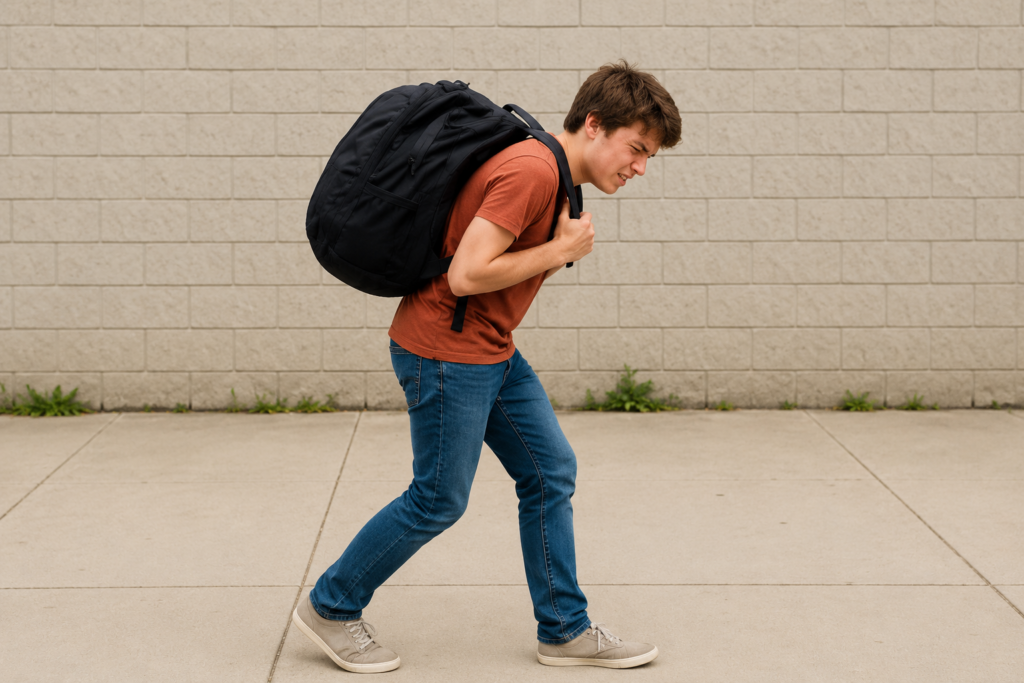
Student carrying a heavy backpack while walking outdoors, showing academic stress and physical strain
Students spend extended periods sitting at desks, working on computers, and carrying backpacks. Without proper ergonomic support, these activities can contribute to:
Ergonomics works differently. It addresses the physical environment before strain becomes injury. Musculoskeletal disorders, which cover damage to muscles, tendons, nerves, and joints, account for a substantial portion of lost-time claims in Canadian workplaces every year. They are not freak accidents. They are the predictable result of physical demands that exceed what the body could absorb, repeated often enough and for long enough to cause real damage.
By making thoughtful adjustments to their learning environments, students can reduce physical stress and improve focus, energy, and overall health.
Here are practical strategies to improve ergonomics for students of all ages:
1. Select Supportive Furniture
Chairs should provide lumbar support and allow feet to rest flat on the floor.
Desks should be at a height that enables elbows to bend at a 90-degree angle when typing or writing.
2. Create a Healthy Study Space
Creating a dedicated study area is a key part of good home ergonomics, helping students maintain proper posture and reduce strain.
Position screens at eye level using monitor or laptop stands.
Use task lighting to reduce glare and prevent eye strain.
Encourage regular movement breaks to stretch and reset posture.
3. Manage Screen Time Wisely
Promote upright sitting posture during device use.
Use blue light filters or protective eyewear to minimize digital eye strain.
Set time limits for recreational screen use to support physical activity and rest.
Backpacks are a daily necessity, but when overloaded or worn incorrectly, they can lead to serious health concerns. According to the American Academy of Pediatrics (AAP), backpack weight should not exceed 10% of a student’s body weight, as heavier loads are linked to increased reports of back pain and missed school or sports activities 1. TheJournal of Clinical Chiropractic Pediatrics (JCCP) supports this guideline and notes that physically fit high school students may tolerate up to25%of their body weight
Recommended Weight Limits
Elementary to Middle School Students: 10–15% of body weight
High School Students: Up to 25% may be acceptable for physically fit adolescents
Example: A student weighing 100 pounds should carry no more than 10–15 pounds
Warning Signs of Excessive Load
Leaning forward to compensate for weight
Complaints of back, neck, or shoulder pain
Red marks or indentations from shoulder straps
Fatigue or discomfort after walking with the backpack
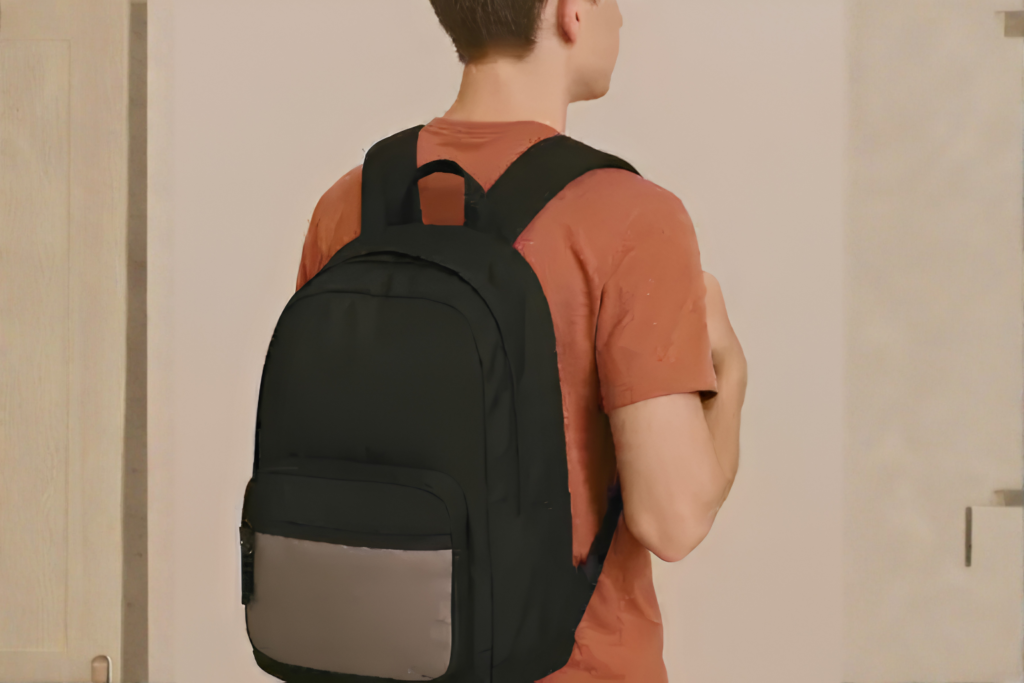
Student wearing a backpack with correct posture, both shoulder straps in use, and backpack positioned no lower than two inches below the waist.
1. Prioritize Proper Fit
Choose backpacks with padded, adjustable shoulder straps and a padded back panel.
Ensure the bottom of the backpack rests no more than two inches below the waist.
Always use both shoulder straps to distribute weight evenly.
Properly packed student backpack with padded straps, balanced compartments, and heavy items placed close to the back for ergonomic support.”
2. Optimize Packing Techniques
Place heavier items closest to the spine to maintain balance.
Use multiple compartments to distribute weight evenly.
Remove unnecessary items daily to keep the load manageable.
3. Encourage Load Management
Teach students to carry only essential items for the day.
Consider rolling backpacks if permitted and appropriate for the school environment.
4. Promote Movement and Recovery
Encourage students to take breaks from wearing their backpacks, especially during long walks.
Incorporate stretching and core-strengthening exercises into their routine to support posture and spinal health.
5. Seek Professional Guidance
If a student experiences persistent discomfort or pain, consult a pediatrician, chiropractor, or physical therapist for evaluation and recommendations.
For students learning from home, home ergonomic considerations are even more critical. Dining tables and couches are not designed for prolonged study sessions. Investing in a dedicated workspace with proper seating, lighting, and screen positioning can help students stay comfortable and productive. Regular movement breaks and posture checks are essential to counteract sedentary habits.
The back-to-school season is an ideal time to establish healthy habits that support both academic achievement and physical well-being. By prioritizing ergonomics from desk setup to backpack safety parents and educators can empower students to thrive in and out of the classroom. For personalized guidance, book an ergonomic consultation with Injury Prevention Plus to create a study or work setup that supports long-term health and comfort. We offer practical, tailored solutions, including virtual consultations, to help you apply effective ergonomics in real-life environments.
References
1: American Academy of Pediatrics. Backpack Weight: How Heavy Is Safe? AAP Grand Rounds
2: Lavigne, V. Backpack Safety Guidelines. Journal of Clinical Chiropractic Pediatrics. JCCP PDF
Ergonomics helps students maintain proper posture, reduce physical strain, and stay comfortable during long study hours, improving focus and overall well-being.
Home ergonomics refers to setting up a study space at home with proper seating, desk height, and screen positioning to support healthy posture and reduce strain.
Poor posture can lead to back and neck pain, fatigue, headaches, and reduced concentration over time, especially during long periods of sitting.
Backpacks should generally not exceed 10–15% of a student’s body weight to prevent strain on the back, shoulders, and spine.
Students can improve their setup by using supportive chairs, positioning screens at eye level, taking breaks, and following basic home ergonomics principles.
Our registered ergonomists are ready to help. Call us at (613) 730-1074 or book a consultation today.